




Description
Dwarf Fountain Grass Hameln - Compact Ornamental Grass with Showy Plumed Flower Spikes
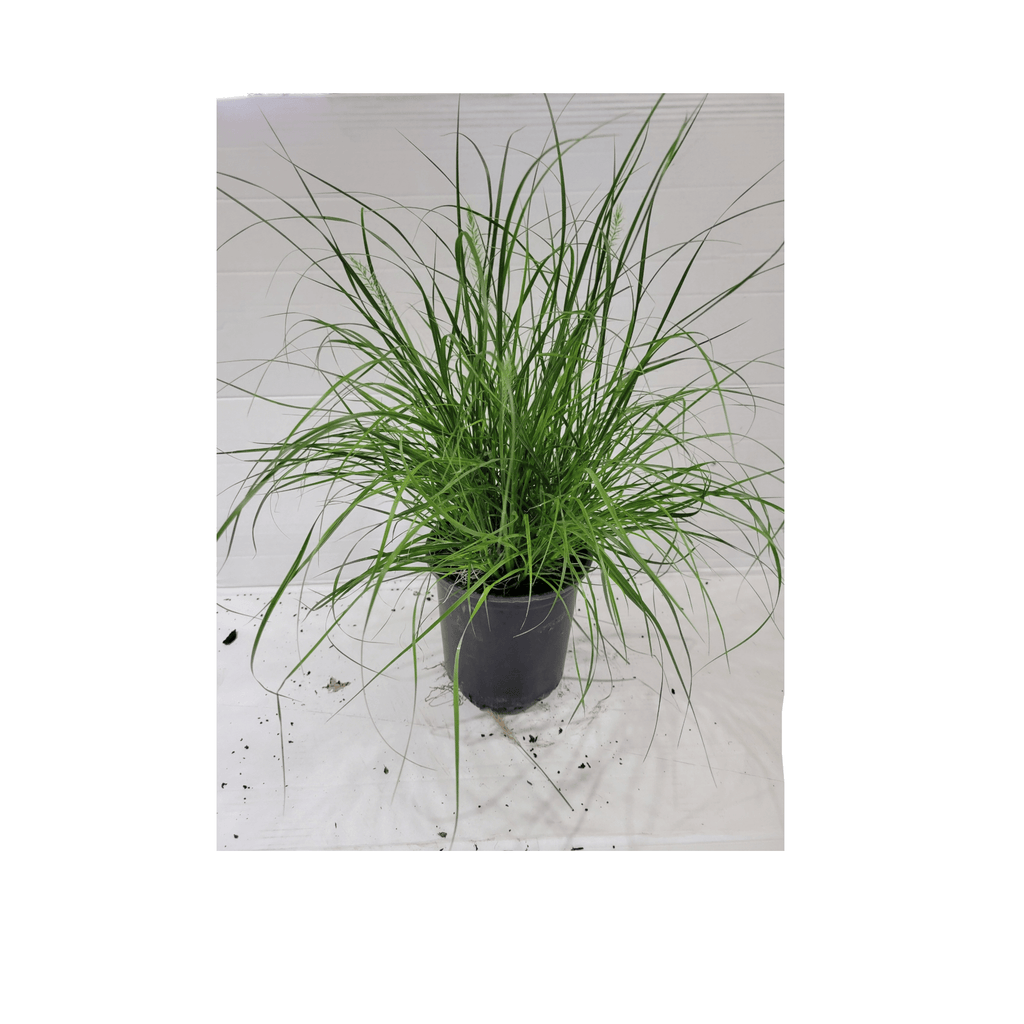
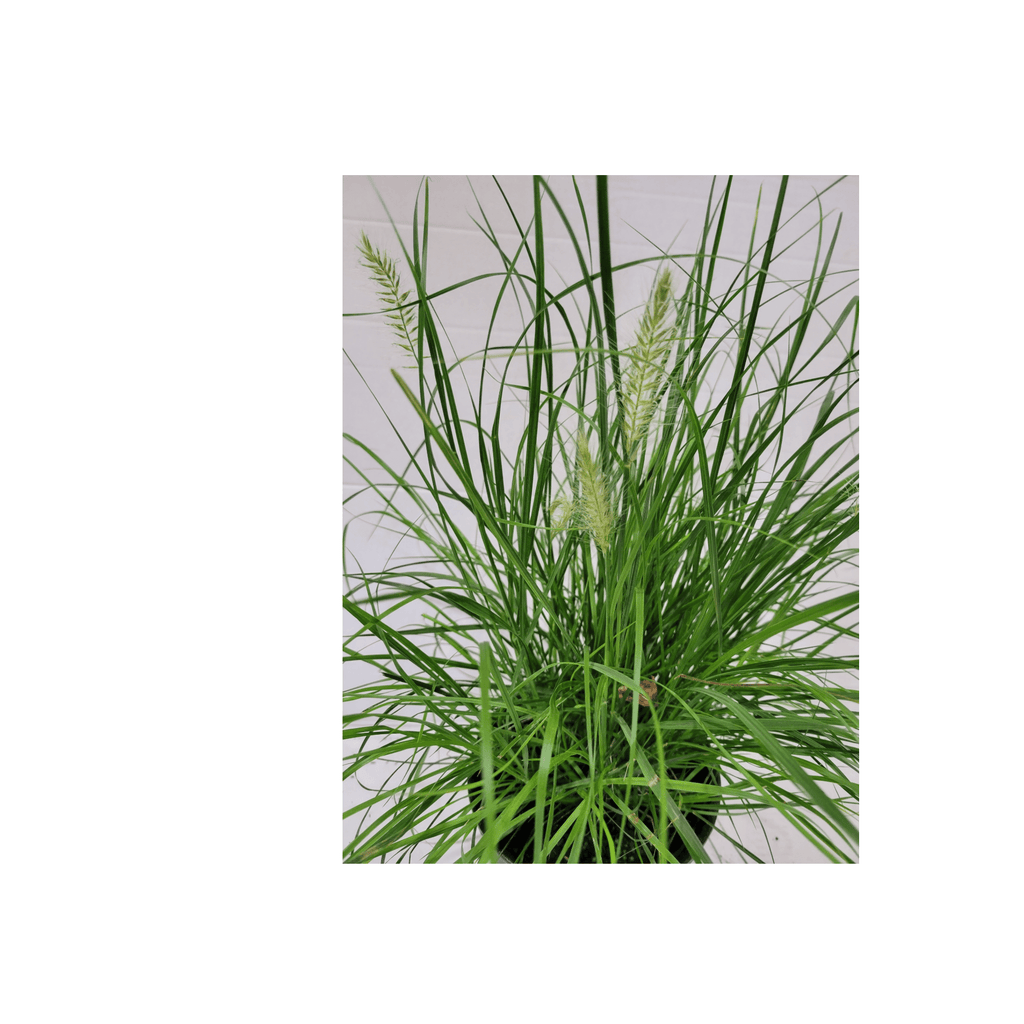
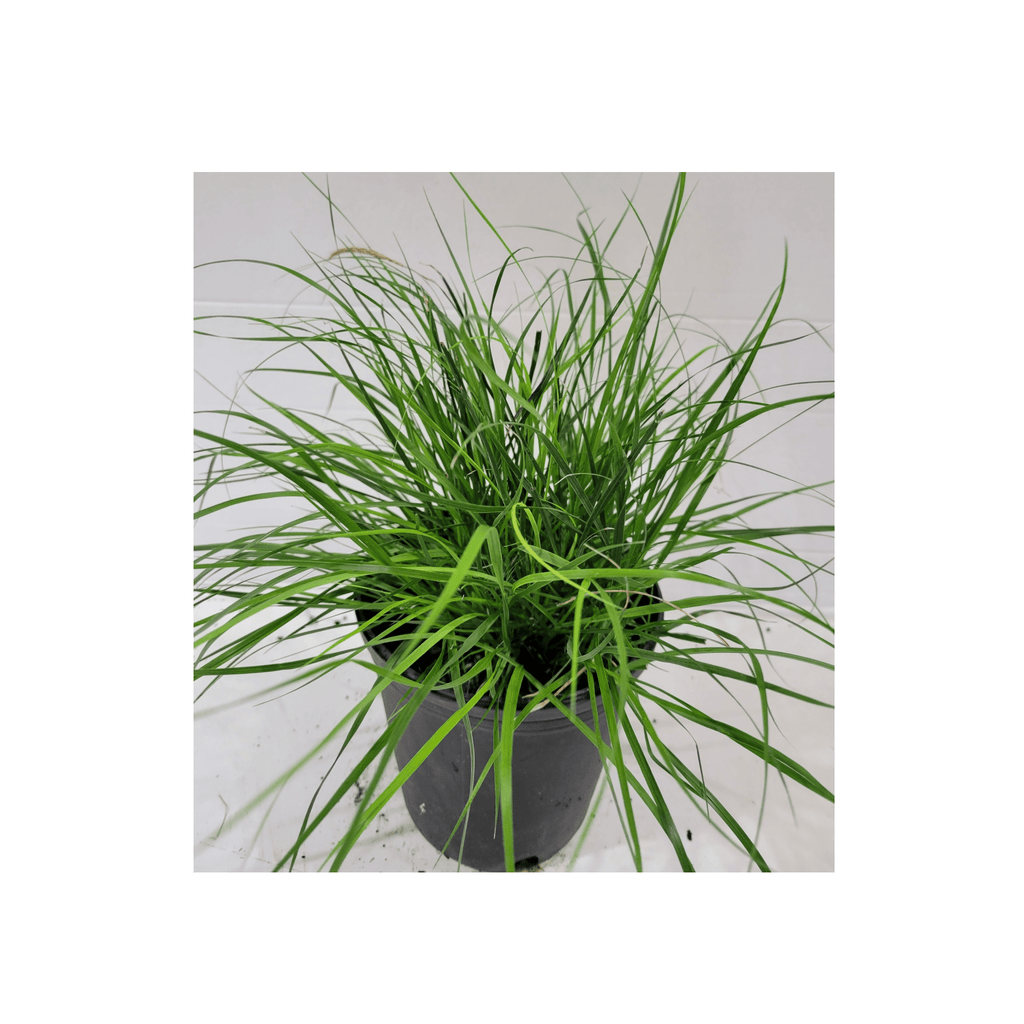
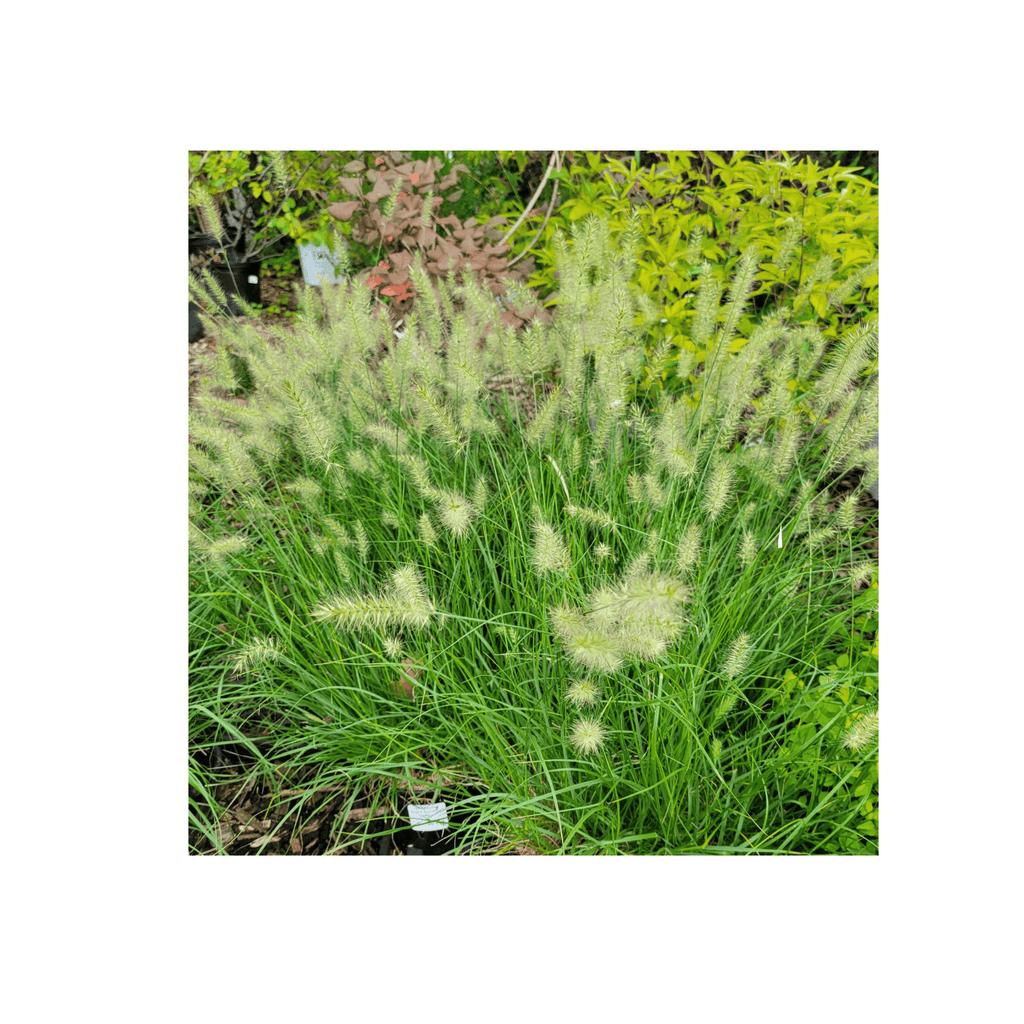
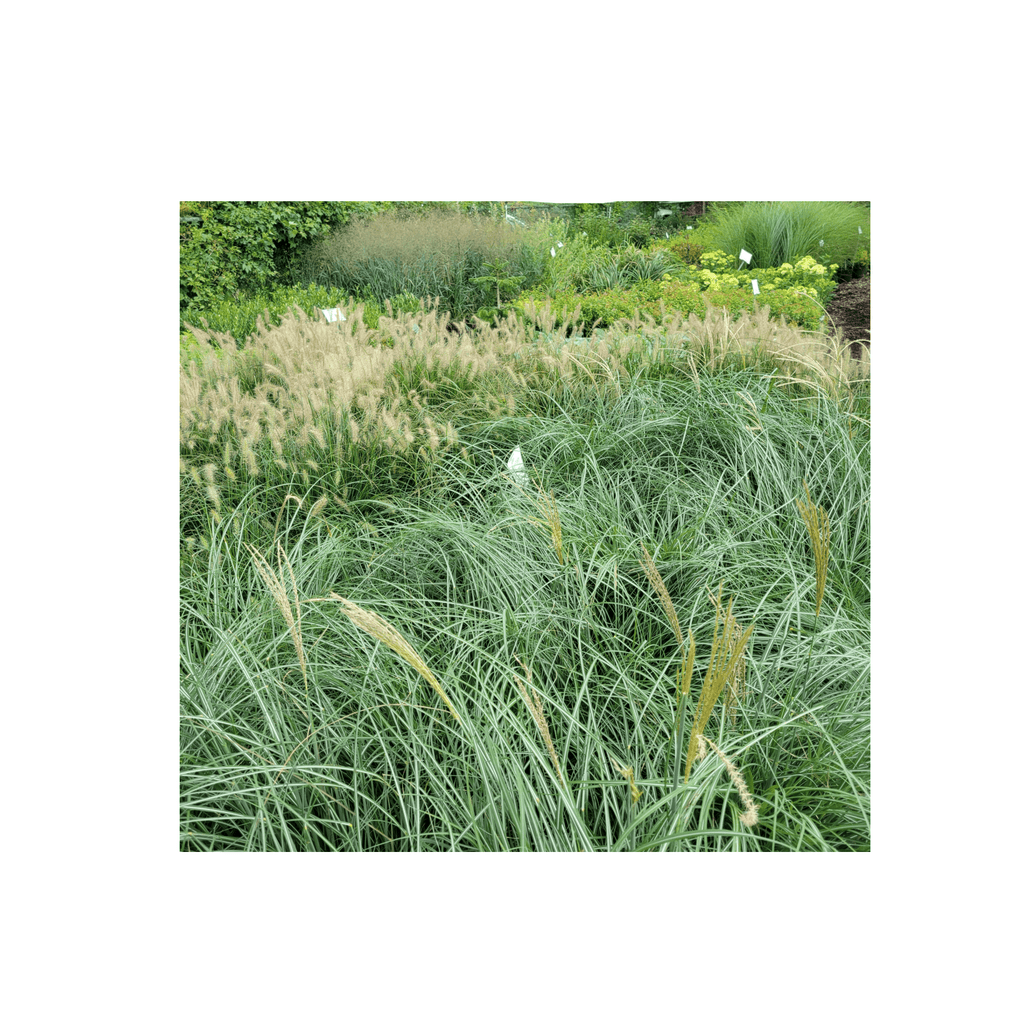
Bring graceful movement, texture, and four-season interest to your garden with Pennisetum alopecuroides 'Hameln' Dwarf Fountain Grass. This compact, well-behaved cultivar produces graceful arching green blades and showy pinkish-white, bottle brush-like flower spikes from August through October - dancing in the breeze like water spraying from a fountain. Drought tolerant, erosion resistant, and virtually pest-free, Hameln is one of the most versatile and reliable ornamental grasses for sunny borders, containers, and landscape plantings.
Why Choose Dwarf Fountain Grass Hameln?
- Compact & Well-Behaved: More compact than the species with shorter flower spikes - ideal for smaller spaces
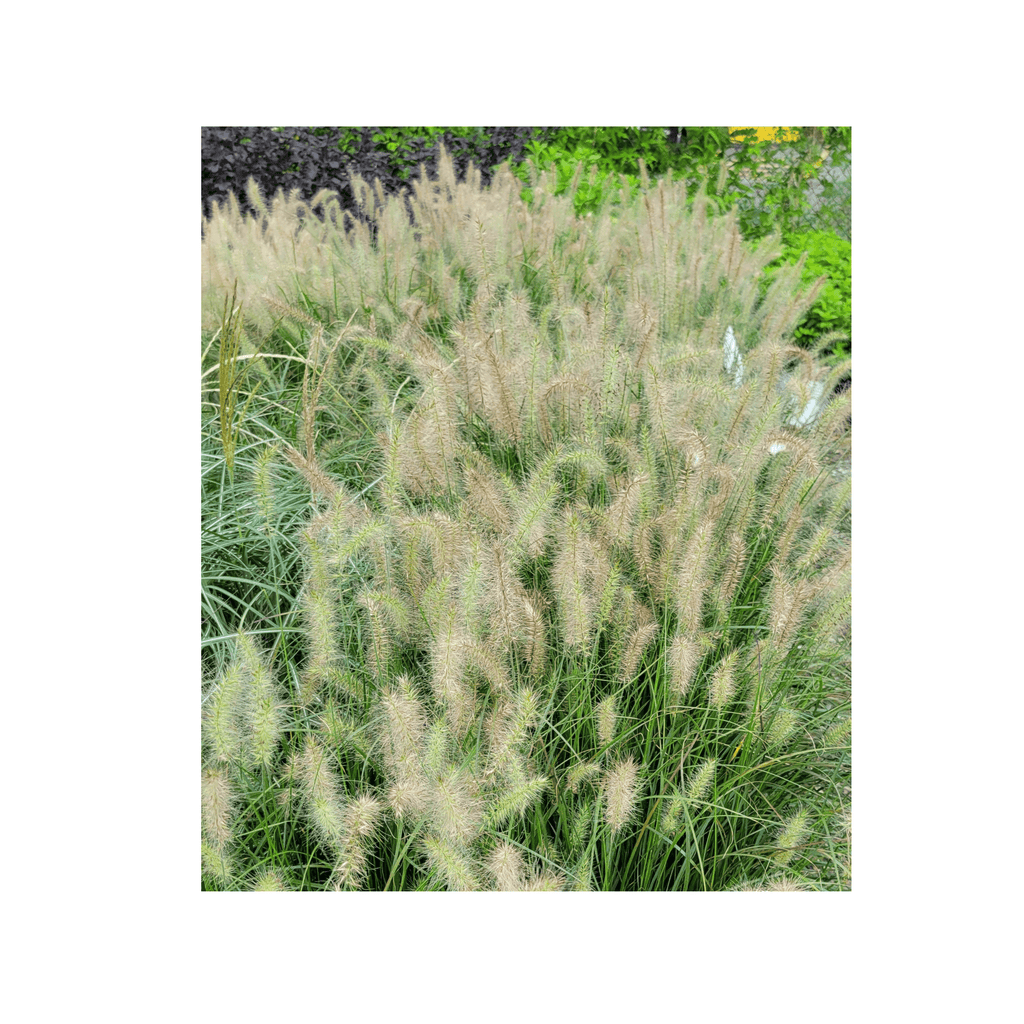
- Showy Flower Spikes: Silvery to pinkish-white bristly plumes from August through October
- Four-Season Interest: Green summer foliage, golden fall color, attractive winter structure
- Drought Tolerant: Once established, handles dry conditions with ease
- Erosion Control: Excellent for slopes and banks
- Attracts Birds: Seed heads provide food for birds in fall and winter
- Good Cut & Dried Flower: Plumes excellent for fresh and dried arrangements
- Winter Interest: Attractive beige foliage and persistent seed heads through winter
- Wide Hardiness Range: Hardy in USDA zones 5-9
Plant Specifications
- Botanical Name: Pennisetum alopecuroides 'Hameln'
- Common Name: Dwarf Fountain Grass, Hameln Fountain Grass
- Family: Poaceae (Grass family)
- Type: Warm-season ornamental grass
- USDA Hardiness Zones: 5 to 9
- Mature Height: 24-36 inches (2 to 3 feet)
- Mature Spread: 18-30 inches (1.5 to 2.5 feet)
- Bloom Time: August to October
- Bloom Color: Silvery to pinkish-white
- Light Requirements: Full sun to part shade (best in full sun)
- Water Requirements: Medium to wet; drought tolerant once established
- Maintenance Level: Low
- Container Size: 1 Gallon
Spectacular Four-Season Interest
Hameln Fountain Grass delivers outstanding garden interest across all four seasons:
- Spring: Fresh green arching blades emerge, forming graceful spreading clumps
- Summer: Lush medium to deep green narrow foliage (to 1/2" wide); showy flower spikes begin emerging in late summer
- Fall: Foliage transitions to brilliant golden yellow; silvery-pinkish plumes mature and turn brownish as seeds form
- Winter: Attractive beige foliage and persistent seed heads remain through late fall and early winter, providing structure and bird food
Showy Plumed Flower Spikes
The signature feature of Hameln is its spectacular bottle brush-like flower spikes:
- Silvery to pinkish-white bristly plumes arch outward from the clump
- Resemble water spraying from a fountain (hence the common name)
- Shorter and more compact than the species - proportional to the plant's size
- Bloom from August through October for extended late-season interest
- Turn brownish as seeds form; persist until late fall or early winter
- Excellent for fresh cut flower arrangements
- Outstanding for dried flower arrangements and wreaths
Growing Conditions
- Light: Full sun is best; tolerates part shade but may not flower well in too much shade
- Soil: Average, medium to wet soils; adaptable to a wide range of soil types
- Water: Medium moisture preferred; drought tolerant once established
- Warm Season Grass: Emerges later in spring than cool-season grasses; best growth in summer heat
- Zone 5 Note: May not be reliably winter hardy throughout Zone 5; best sited in a protected location
How to Plant & Care for Hameln Fountain Grass
- When to Plant: Spring after last frost for best establishment
- Site Selection: Choose a full sun location with average to moist, well-drained soil
- Spacing: Space plants 24-30 inches apart for individual specimens; 18-24 inches for mass plantings
- Planting Depth: Plant at the same depth as the nursery container
- Watering: Water thoroughly at planting; keep moist during establishment; reduce once established
- Fertilizing: Minimal fertilizer needed; apply balanced slow-release fertilizer in spring if desired
- Winter Care: Leave foliage standing through winter for interest and wildlife benefit
- Spring Cutback: Cut foliage to the ground in late winter before new shoots appear (typically February-March)
- Division: Divide clumps every 3-4 years in spring to maintain vigor
Exceptional Tolerances
- Drought: Excellent drought tolerance once established
- Erosion: Deep fibrous roots stabilize slopes and banks effectively
- Wet Soil: Tolerates moist to wet conditions; suitable for rain gardens and pond margins
- Black Walnut: One of the few ornamental grasses tolerant of black walnut toxicity (juglone)
- Air Pollution: Tolerates urban air pollution - excellent for city gardens
- Pests & Disease: No serious insect or disease problems
Attracts Birds & Wildlife
Hameln Fountain Grass is a valuable wildlife plant:
- Seed heads attract finches, sparrows, and other seed-eating birds in fall and winter
- Dense clumps provide shelter and nesting habitat for small birds
- Supports beneficial insects throughout the growing season
Ideal Garden Uses
- Specimen Plant: Stunning solo accent in borders and landscape beds
- Mass Plantings: Group for dramatic sweeping effect in large areas
- Mixed Borders: Excellent texture and contrast among perennials and shrubs
- Container Gardens: Outstanding in large pots for patios and decks
- Rain Gardens: Tolerates wet conditions in low-lying areas
- Pond & Stream Margins: Thrives in moist areas near water features
- Erosion Control: Excellent for slopes, banks, and hillsides
- Foundation Plantings: Provides texture and seasonal interest near structures
- Cut Flower Gardens: Harvest plumes for fresh and dried arrangements
Companion Plants
Hameln Fountain Grass pairs beautifully with:
- Black-Eyed Susans (Rudbeckia): Classic late-summer combination of golden flowers and pinkish plumes
- Coneflowers (Echinacea): Purple cones contrast beautifully with silvery plumes
- Sedum 'Autumn Joy': Complementary fall interest with pink flower heads
- Russian Sage (Perovskia): Blue-purple spikes alongside pinkish-white plumes
- Ornamental Kale: Fall color combination in borders
- Asters: Late-season purple or pink flowers alongside fountain grass plumes
About Pennisetum alopecuroides
Pennisetum alopecuroides, commonly called fountain grass, is a warm-season ornamental grass native to Asia and Australia. The genus name comes from the Latin penna meaning "feather" and seta meaning "bristle" - a reference to the flowers' long, feathery bristles. The specific epithet alopecuroides means "like a foxtail grass." 'Hameln' is a compact cultivar similar to the species but with shorter flower spikes and a more compact, well-proportioned habit - making it ideal for smaller gardens and mixed borders.
Information courtesy of Missouri Botanical Garden (missouribotanicalgarden.org)
Order Dwarf Fountain Grass Hameln 1 Gallon today and enjoy graceful arching foliage, showy pinkish-white plumes from August through October, brilliant golden fall color, and attractive winter structure - drought tolerant, erosion resistant, and virtually maintenance-free across USDA zones 5-9!
Payment & Security
Your payment information is processed securely. We do not store credit card details nor have access to your credit card information.